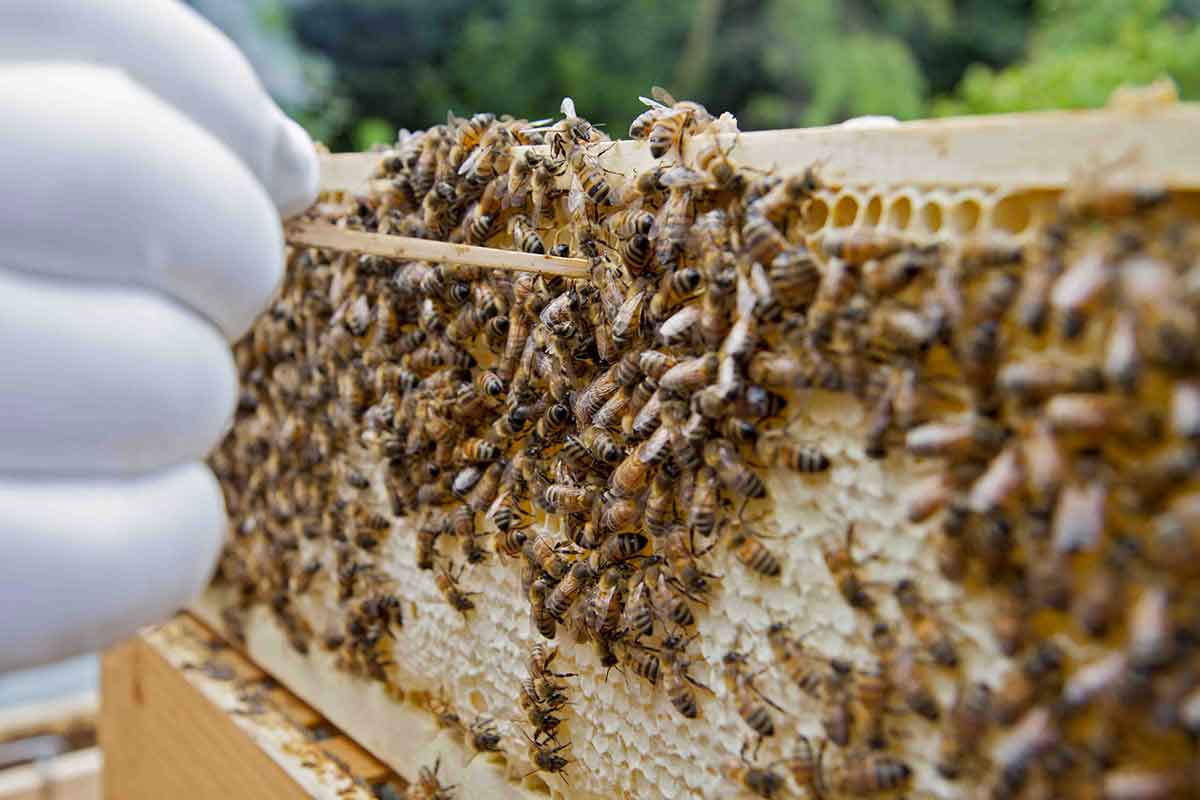
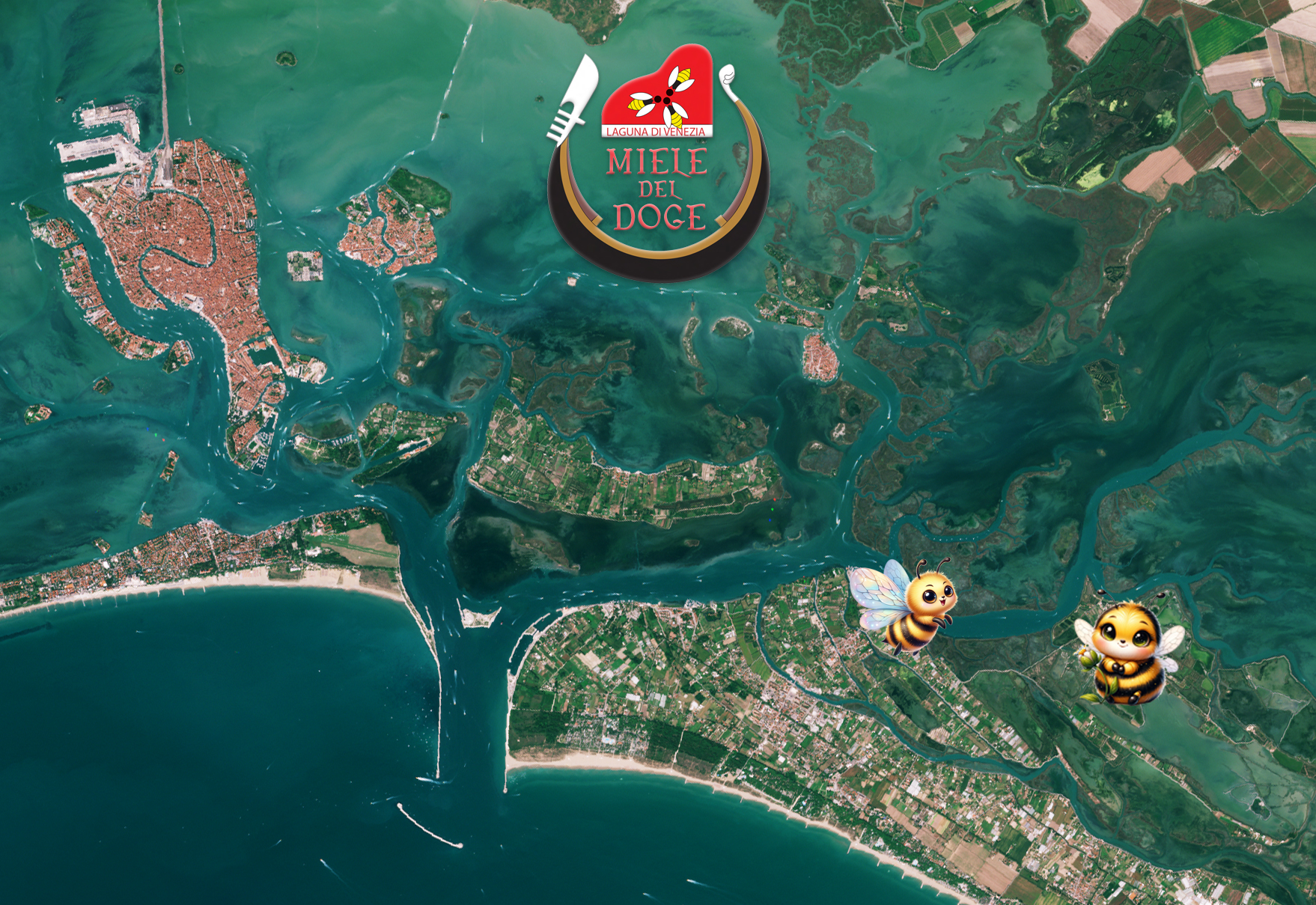
Miele del Doge is the story of a family of beekeepers from the Venice lagoon and of their handcrafted honey. It all began in 2015 in Sant’Erasmo, the island that has supplied Venice with vegetables and fruit for centuries, and since 2023 our bees have lived in the Lio Piccolo oasis, in Cavallino-Treporti.
Here water and land have no clear boundaries: the tides come and go, the barene (the lagoon’s salt marshes) rise and withdraw, the air is salty and boat traffic stays far away. An agriculture that has stayed true to itself, new paths to follow on foot and by bicycle: we recognised at once our own way of keeping bees, made of attention and harmony, of those who blend into their surroundings instead of forcing them.
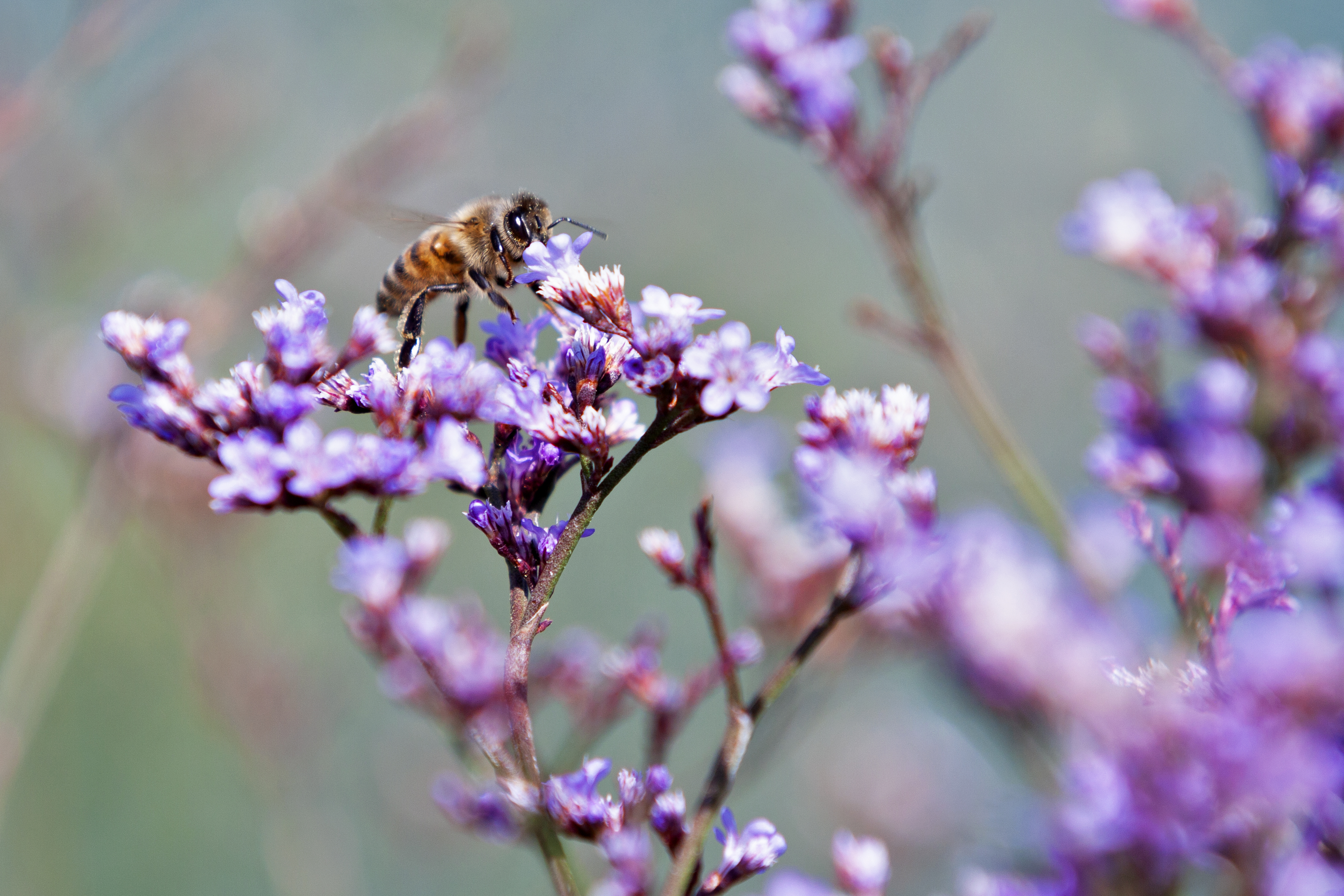
Mara and her family make Miele del Doge. Our bees forage on artichoke flowers, on lagoon plants and, in summer, on the violet sea lavender of the barene: the result is a honey that holds the lagoon in a single drop. The rarest and most prized is Barena honey, a monofloral sea lavender honey. With this honey we are part of the Slow Food Presidium for honey from the salt marshes of the Venetian Lagoon.
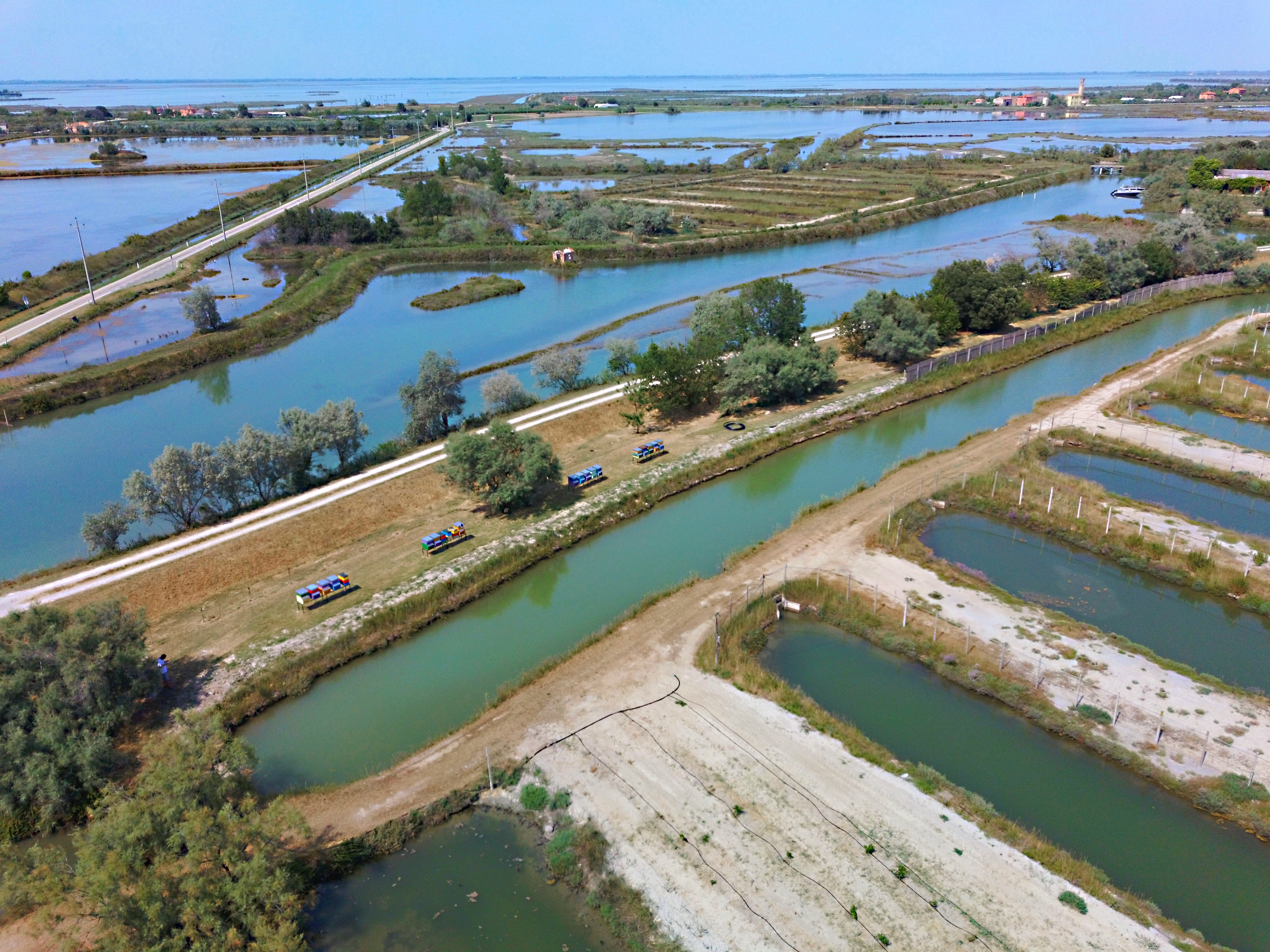
Our hives at Miele del Doge
At the pace of the bees, not of the market: calmly and in harmony. We never push them to produce more: we take only the surplus honey, and the rest stays in the hive as nourishment for the colony.
Two kinds of know-how live side by side in our work: the most modern beekeeping techniques and the methods of the past, handed down to us by experienced beekeepers who spent a lifetime beside the bees. From both we keep what suits us: letting things be, not forcing, not rushing, staying beside the bees in harmony. We also choose the strongest genetics: it is the natural way to keep disease and parasites at bay.
Our bees do not travel: they are born, live and reproduce in the lagoon. That is why we do not have a single apiary but several sites, and each place, with its own flowers, gives a different honey. We prefer many small apiaries that we can look after with care to a few large ones managed in a hurry. Every year is different: it depends on the weather, the wind, the blooms. The lagoon decides, and we follow.
How Miele del Doge is made
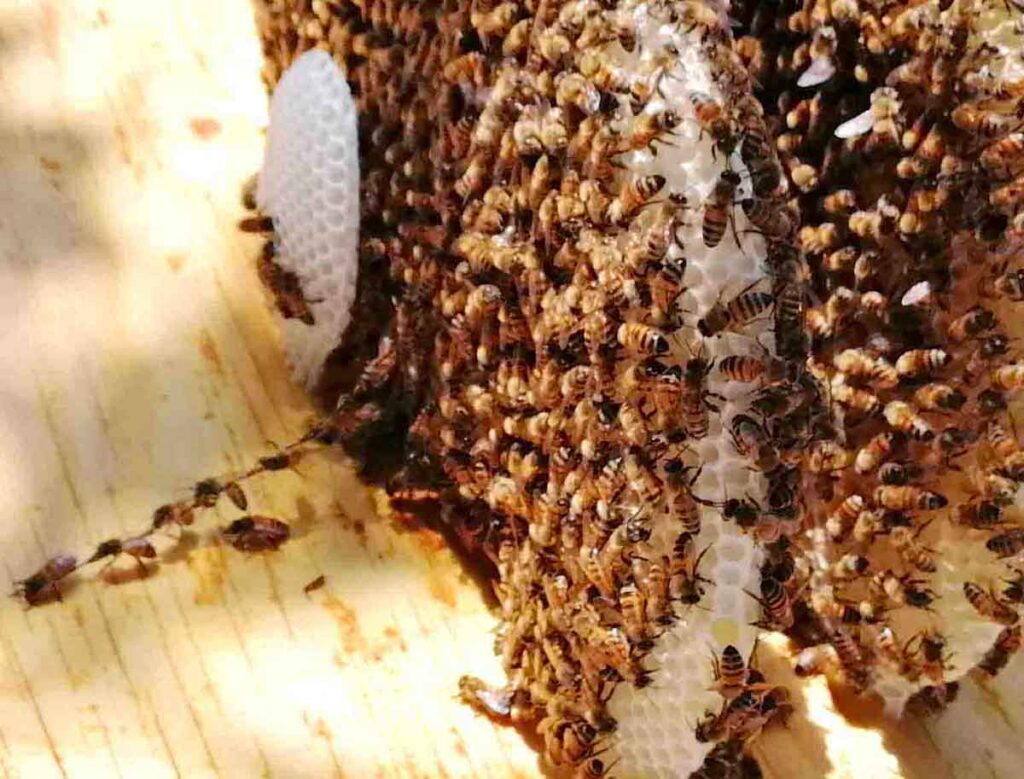
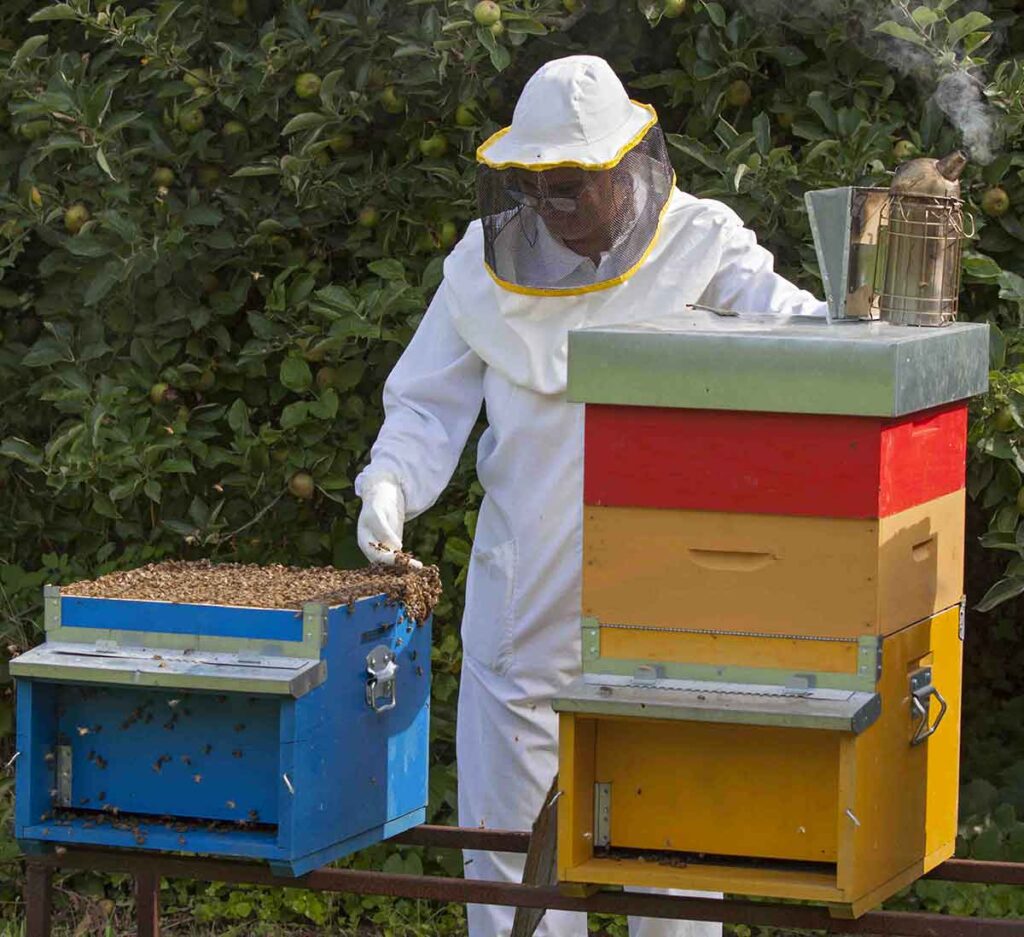
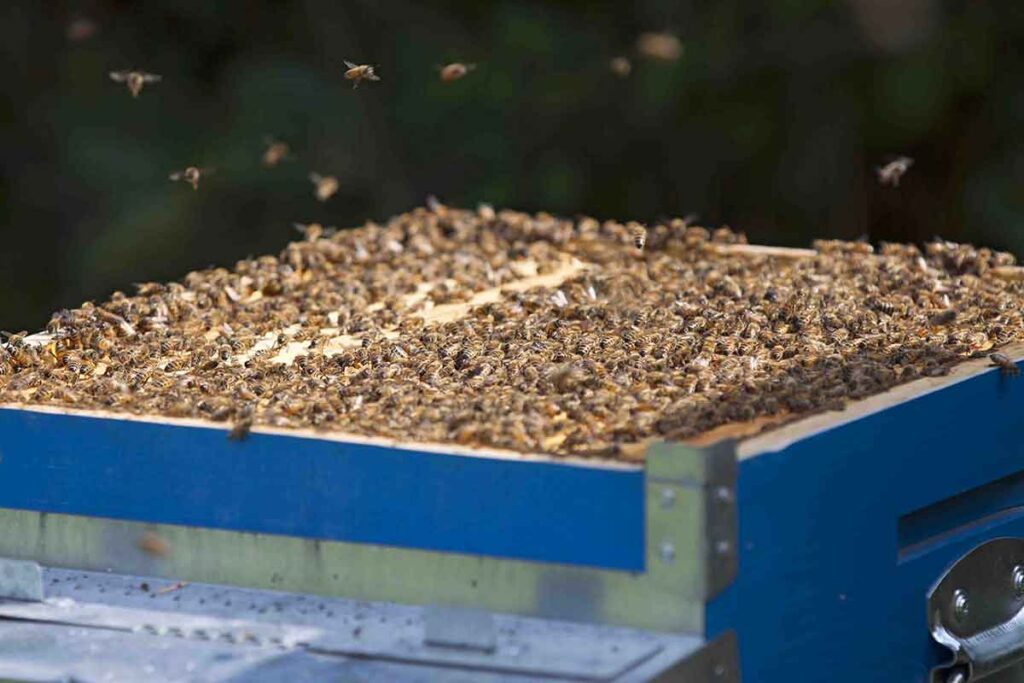
We harvest with respect, without driving the bees away. We know our hives and follow them closely: with gentle techniques we guide the bees out of the honey super, in tune with the colony, without disturbing them.
Ours is a handcrafted honey: we extract it cold, by centrifuge and without any heat treatment, only once the bees have finished their work. The cappings, the small wax lids with which they seal the cells, we open by hand, in the traditional way, with a kind of fork: a craftsman’s gesture that lets us be more attentive, choose with care and avoid heating the honey.
Then we let it rest for at least a month before jarring: it settles on its own, with no need for filters. These are attentive gestures that reduce the quantity and lengthen the work, but leave the honey as it is. Bees are the greatest experts in honey: over millions of years of evolution they have learned to make it, to preserve it and to guard it. We do not alter it and we do not interfere: we let them do their work and gather what they have made with such skill.